
Electric vehicles (EVs) are often described as the future of transportation, promising lower emissions, quieter operation, and higher energy efficiency than traditional gasoline-powered cars. But behind the sleek designs and advanced batteries lies a less visible yet critical component: magnets. From electric motors to auxiliary systems, magnets play a central role in how most electric cars operate today.
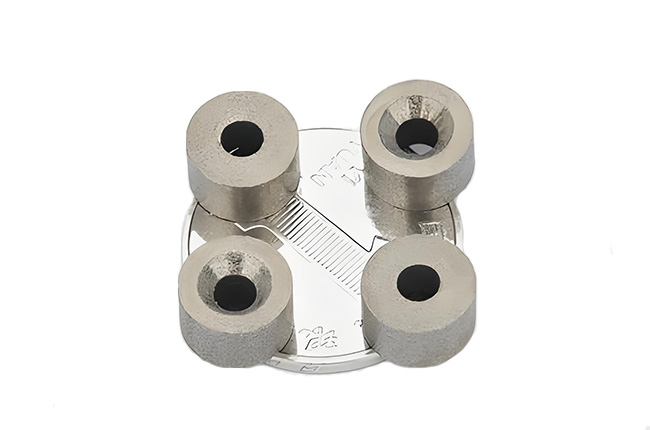
Magnets at the Heart of Electric Motors
The most important use of magnets in electric cars is found in their electric motors. Many modern EVs rely on permanent magnet synchronous motors, which use powerful permanent magnets embedded in the rotor. These magnets create a constant magnetic field that interacts with the motor’s electromagnetic stator, producing torque that turns the wheels.
Compared with alternative motor designs, permanent magnet motors are valued for their high efficiency, compact size, and strong power output. These characteristics help extend driving range—one of the most important selling points for electric cars—while keeping vehicles lightweight.
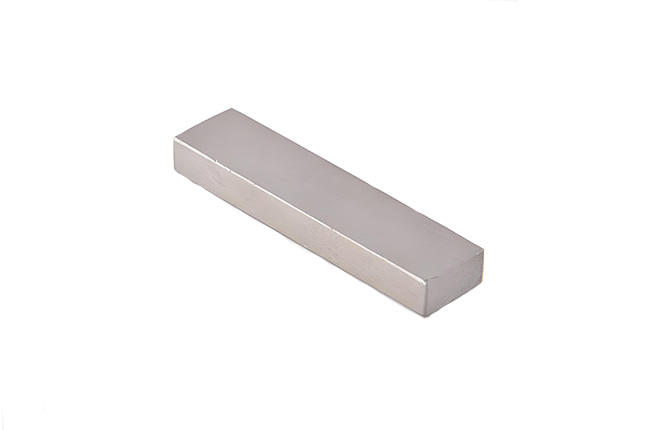
The magnets used in these motors are typically made from rare earth materials such as neodymium, dysprosium, and praseodymium. Neodymium magnets, in particular, are known for being extremely strong relative to their size, making them ideal for high-performance EV applications.
Beyond Motors: Other Uses of Magnets in EVs
Magnets are not limited to propulsion systems. Electric cars use magnets in a variety of supporting components. Sensors throughout the vehicle rely on magnetic principles to measure speed, position, and rotational movement. These sensors help manage everything from motor timing to regenerative braking.
Magnets are also found in speakers, cooling fans, power steering systems, and some charging components. Even small electric actuators used for window controls, seat adjustment, and mirror positioning often depend on magnetic fields to function smoothly and reliably.
In short, while the electric motor is the most magnet-intensive part of an EV, magnets are distributed throughout the vehicle, supporting comfort, safety, and performance features.
Supply Chain and Geopolitical Concerns
The growing reliance on rare earth magnets has raised concerns within the automotive and energy industries. Rare earth elements are not actually rare, but their extraction and processing are complex, environmentally challenging, and geographically concentrated. A large share of global rare earth production and refining capacity is located in China, creating potential supply chain vulnerabilities.
As electric vehicle adoption accelerates worldwide, demand for rare earth magnets is increasing sharply. Automakers and governments are paying closer attention to sourcing strategies, recycling technologies, and alternative materials to reduce dependence on limited supply chains.
Are Magnets Always Necessary in Electric Cars?
Despite their widespread use, magnets are not strictly required for an electric vehicle to function. Some manufacturers use induction motors or electrically excited synchronous motors, which do not rely on permanent magnets. These designs generate magnetic fields using electric current rather than embedded rare earth materials.
Induction motors, for example, were famously used in early models from Tesla. While these motors avoid rare earth magnets, they are generally less efficient at certain speeds and may require more energy to achieve the same performance. As a result, many automakers balance efficiency, cost, and material availability when choosing motor designs.
In recent years, research has intensified into developing magnet-free motors or motors that use significantly reduced amounts of rare earth materials. These efforts aim to lower costs, improve sustainability, and increase supply chain resilience.
Recycling and the Future of EV Magnets
Another area of growing interest is magnet recycling. As the first generations of electric vehicles reach the end of their life cycles, opportunities are emerging to recover and reuse rare earth materials from motors and electronic components. Efficient recycling could help ease future shortages and reduce the environmental impact of mining.
Looking ahead, magnets are expected to remain a key part of electric vehicle technology for the foreseeable future. However, their composition, sourcing, and role may evolve as new materials and motor designs are developed.
Conclusion
Yes, magnets are widely used in electric cars, and they are essential to the performance and efficiency of most EVs on the road today. From powering electric motors to enabling sensors and comfort systems, magnets quietly support nearly every aspect of an electric vehicle’s operation. As the global transition to electric mobility continues, how the industry manages magnet supply, innovation, and sustainability will play a crucial role in shaping the future of transportation.
Topping
Contact

We will contact you within 24 hours. ( WhatsApp/facebook:+86 15957855637)