
Neodymium iron boron (NdFeB) magnets are widely recognized as the strongest permanent magnets available today. They are essential components in industries such as renewable energy, electric vehicles, consumer electronics, medical devices, and industrial automation. Because NdFeB magnets can represent a significant portion of a product’s material cost, many buyers are tempted to choose the cheapest option available. However, cheaper NdFeB magnets often turn out to be a false economy, creating hidden costs and long-term risks that outweigh the initial savings.
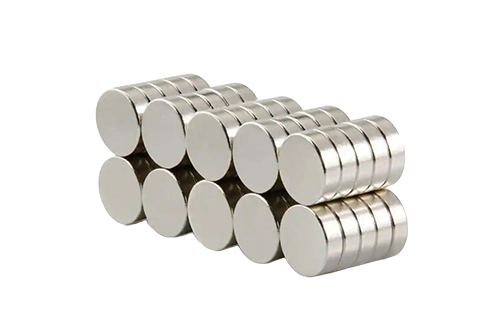
Understanding Why Some NdFeB Magnets Are Cheaper
The price of NdFeB magnets is influenced by several factors, including raw material quality, alloy composition, manufacturing processes, coating methods, and quality control standards. Cheaper magnets often cut costs in one or more of these areas. For example, manufacturers may reduce the proportion of rare earth elements such as neodymium or dysprosium, use lower-grade powders, simplify sintering processes, or apply thinner or inferior surface coatings. While these measures lower the upfront price, they can significantly compromise performance and reliability.
Performance Degradation and Inconsistent Magnetic Strength
One of the most common issues with low-cost NdFeB magnets is inconsistent or reduced magnetic strength. Inferior raw materials and poor process control can result in magnets that fail to meet the specified remanence, coercivity, or maximum energy product. In practical applications, this may lead to weaker motors, reduced efficiency, or unstable sensor performance. Manufacturers who rely on precise magnetic properties may face costly redesigns or production delays when cheaper magnets do not perform as expected.
Higher Risk of Demagnetization
High-quality NdFeB magnets are engineered to maintain their magnetic properties under specific temperature and operating conditions. Cheaper magnets often have lower intrinsic coercivity, making them more susceptible to irreversible demagnetization when exposed to heat, vibration, or opposing magnetic fields. In applications such as electric motors, wind turbines, or automotive systems, this can result in premature failure, reduced lifespan, and unexpected maintenance costs.
Corrosion and Coating Failures
NdFeB magnets are naturally prone to corrosion, especially in humid or chemically aggressive environments. Reliable magnets use high-quality coatings such as nickel-copper-nickel, epoxy, or specialized multilayer systems to provide long-term protection. Low-cost magnets may use thinner coatings or poorly controlled plating processes, leading to cracks, peeling, or rapid oxidation. Once corrosion begins, the magnet’s structural integrity and magnetic performance can deteriorate quickly, often requiring replacement.
Increased Total Cost of Ownership
While cheaper NdFeB magnets may reduce initial procurement costs, they often increase the total cost of ownership. Product failures, warranty claims, downtime, recalls, and reputational damage can far exceed the money saved at purchase. For industrial and commercial applications, even a small increase in failure rate can translate into significant financial losses over time.
Quality Assurance and Traceability Concerns
Reputable NdFeB magnet suppliers invest in strict quality control, testing, and traceability systems to ensure consistency and compliance with international standards. Cheaper suppliers may lack adequate inspection processes or certification, increasing the risk of batch-to-batch variation. For industries such as automotive, aerospace, or medical devices, this lack of reliability can be unacceptable and even dangerous.
When Cost Savings Might Make Sense
Cheaper NdFeB magnets are not always the wrong choice. For non-critical applications, prototypes, or products with short service lives and minimal performance requirements, lower-cost magnets may be sufficient. The key is understanding the application’s true demands and balancing upfront cost against long-term reliability and performance expectations.
Conclusion
Cheaper NdFeB magnets often represent a false economy rather than a smart saving. While the initial price may be attractive, the hidden costs associated with reduced performance, higher failure rates, corrosion, and inconsistent quality can quickly erode any financial advantage. For most professional and industrial applications, investing in high-quality NdFeB magnets from reliable suppliers is a more cost-effective strategy in the long run, ensuring stable performance, longer service life, and lower overall risk.
Topping
Contact

We will contact you within 24 hours. ( WhatsApp/facebook:+86 15957855637)