
Magnets are an essential part of modern life, powering everything from smartphones and electric vehicles to medical equipment and renewable energy systems. Despite their widespread use, magnets remain a source of curiosity and confusion for many people. Below are six of the most common questions about magnets, answered clearly and accurately to help readers better understand how they work and how they are used.
What Are Magnets Made Of?
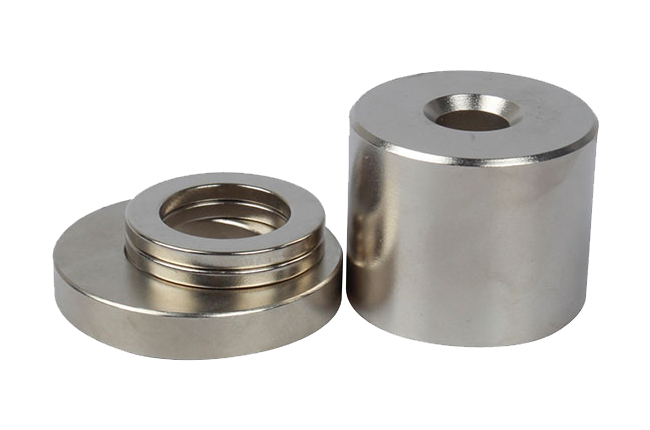
Most magnets are made from materials that can be magnetized, such as iron, nickel, cobalt, or alloys containing these elements. Permanent magnets, including neodymium, ferrite, and alnico magnets, are engineered to retain their magnetic properties over time. Among them, neodymium magnets are the strongest and most commonly used in advanced technology due to their high magnetic strength relative to size.
How Do Magnets Work?
Magnets work by generating a magnetic field, an invisible force that attracts or repels certain materials. At the atomic level, magnetism occurs when the magnetic moments of electrons align in the same direction. In permanent magnets, this alignment is locked in place during manufacturing, allowing the magnet to produce a constant magnetic field without external power.
Can Magnets Lose Their Magnetism?
Yes, magnets can lose their magnetism under certain conditions. Exposure to high temperatures, strong opposing magnetic fields, physical damage, or long-term vibration can weaken a magnet. Neodymium magnets, while very strong, are particularly sensitive to heat and must be used within their rated temperature limits to maintain performance.
Are Magnets Dangerous?
Magnets can be dangerous if they are misused. Strong magnets can snap together with great force, causing pinch injuries or shattering into sharp fragments. Small magnets also pose a serious ingestion risk for children. In addition, strong magnetic fields can interfere with medical implants such as pacemakers and damage electronic devices if handled carelessly.
Do Magnets Rust?
Some magnets can rust, especially those that contain iron. Neodymium magnets are prone to corrosion if they are not properly coated and protected from moisture. To prevent rusting, manufacturers apply protective coatings such as nickel or epoxy, and users are advised to keep magnets dry and handle them carefully to avoid damaging the coating.
Where Are Magnets Used Today?
Magnets are used across a wide range of industries. They play a key role in electric motors, generators, wind turbines, speakers, medical imaging equipment, data storage, and industrial automation. As clean energy and electrification expand globally, the demand for high-performance magnets continues to grow.
Conclusion
Magnets may seem simple, but they are critical components in countless modern technologies. By understanding what magnets are made of, how they work, and how to use them safely, individuals and businesses can better appreciate their importance and avoid common risks. As innovation continues, magnets will remain a foundational technology shaping the future of energy, transportation, and electronics.
Topping
Contact

We will contact you within 24 hours. ( WhatsApp/facebook:+86 15957855637)