
Permanent magnets are all around us. From smartphones and headphones to motors and medical devices, they quietly do their job without needing electricity. But what exactly are permanent magnets, and what are the most common examples?
In this article, we’ll look at five typical examples of permanent magnets, explain what makes each one unique, and show where they are commonly used—all in a clear and practical way.
What Is a Permanent Magnet?
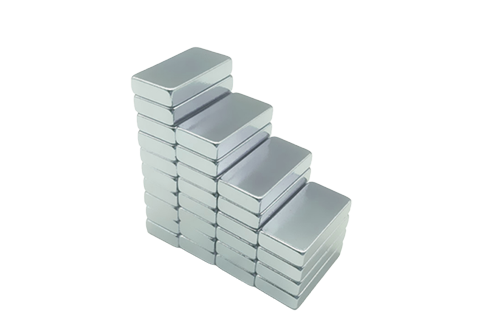
A permanent magnet is a material that can maintain its magnetic field for a long time without any external power source. Unlike electromagnets, permanent magnets do not need electricity to stay magnetized.
Thanks to advances in materials science, modern permanent magnets are stronger, more stable, and more reliable than ever before.
1. Neodymium Magnets (NdFeB)
Neodymium magnets are the strongest permanent magnets available today. They are made from neodymium, iron, and boron, and they offer extremely high magnetic strength in a compact size.
Key Features:
Very high magnetic energy
Small size with strong force
Available in many grades and shapes
Common Applications:
Electric motors and generators
Hard disk drives
Smartphones and earphones
Electric vehicles
In simple terms, if you need serious magnetic power in a small space, neodymium magnets are usually the first choice.
2. Samarium Cobalt Magnets (SmCo)
Samarium cobalt magnets are another type of rare earth permanent magnet. While they are slightly weaker than neodymium magnets, they perform much better in high-temperature and harsh environments.
Key Features:
Excellent temperature stability
Strong resistance to corrosion
High magnetic stability
Common Applications:
Aerospace systems
Military equipment
High-temperature motors
Precision sensors
They may cost more, but when conditions get extreme, SmCo magnets really shine.
3. Alnico Magnets
Alnico magnets are made from aluminum, nickel, and cobalt. They were widely used before rare earth magnets became popular and are still important today.
Key Features:
Good temperature resistance
Stable magnetic properties
Relatively low coercivity
Common Applications:
Electric guitars and pickups
Measuring instruments
Sensors
Educational equipment
Alnico magnets are not the strongest, but they are reliable and have a long history in industrial use.
4. Ferrite (Ceramic) Magnets
Ferrite magnets, also known as ceramic magnets, are one of the most widely used permanent magnets in the world. They are made from iron oxide combined with ceramic materials.
Key Features:
Low cost
Good corrosion resistance
Moderate magnetic strength
Common Applications:
Loudspeakers
Household appliances
Small motors
Refrigerator magnets
They may not be powerful, but they are tough, affordable, and get the job done.
5. Flexible Magnets
Flexible magnets are made by mixing magnetic powder (usually ferrite) with rubber or plastic binders. They can bend, twist, and be cut into different shapes.
Key Features:
Flexible and lightweight
Easy to cut and shape
Lower magnetic strength
Common Applications:
Advertising displays
Fridge magnets
Magnetic labels
Seals and gaskets
These magnets aren’t about power—they’re about convenience.
Why Permanent Magnets Matter
Permanent magnets play a critical role in modern technology. Each type offers a balance of strength, cost, durability, and temperature resistance. Choosing the right magnet depends on the application, environment, and performance requirements.
In other words, there’s no “one-size-fits-all” magnet—and that’s exactly why multiple types exist.
Conclusion
So, what are the five examples of permanent magnets?
Neodymium magnets
Samarium cobalt magnets
Alnico magnet
Ferrite (ceramic) magnets
Flexible magnets
Each type has its own strengths and ideal use cases. Whether you need extreme magnetic power, high-temperature stability, or low-cost everyday performance, there is a permanent magnet designed for the job.
Topping
Contact

We will contact you within 24 hours. ( WhatsApp/facebook:+86 15957855637)